
Office Coffee Machines for Fit-Out Projects: A Specifier’s Guide

Updated: Sep 21
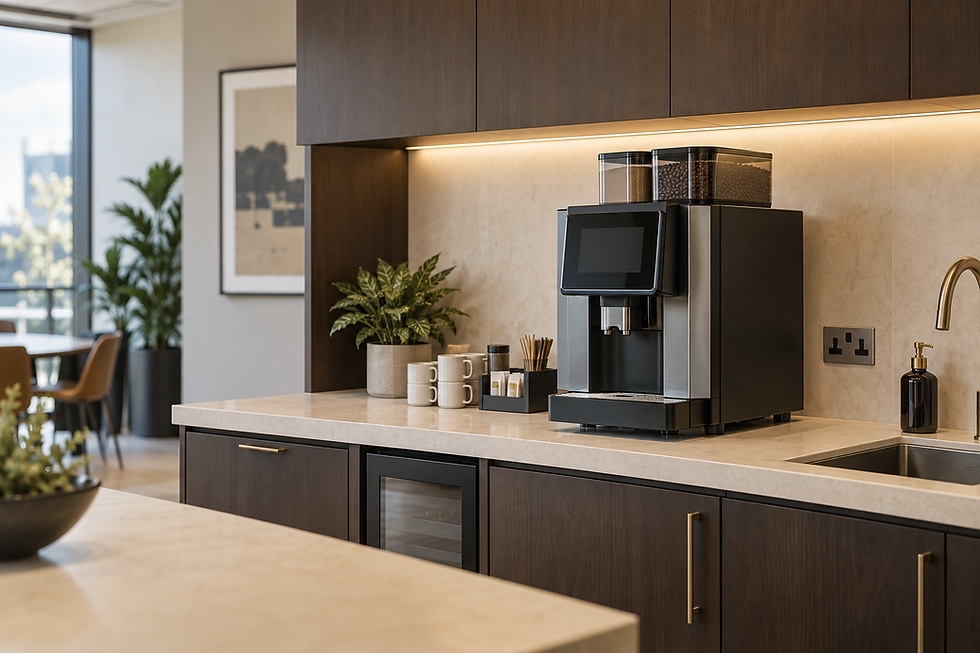
Coffee is easy to leave until late in an office fit-out. That is exactly when it becomes expensive. By the time the tea point is built, worktops are cut and services are fixed, the client may discover that the preferred machine needs different space, water, power or milk-fridge provision.
For fit-out contractors, workplace designers, project managers and Facilities teams, the better approach is to specify the refreshment requirement early enough for the machine and the space to work together. Office Brew Solutions supplies JURA and Gaggia workplace coffee machines across the UK, with purchase and lease options, manufacturer-backed warranty and installation support.
Why coffee belongs in the fit-out specification early
The UK office market is increasingly focused on workplace experience and amenity. Coffee points, kitchens and social spaces are part of that experience, but they also have practical requirements that affect the design and build.
The aim is not to over-engineer the tea point. It is to avoid late changes. A compact tank-fed machine for a small team creates a very different requirement from a higher-capacity fresh-milk or plumbed setup serving a busy floor.
The six questions to answer before the tea point is signed off
1. How many drinks will the machine actually make?
Headcount is only the starting point. Hybrid attendance, visitors, meeting traffic and peak periods can change demand substantially. A 100-person company with low daily attendance may need less capacity than a 40-person office where almost everyone is in at the same time. Use expected drinks per day and the busiest 30–60 minute period to size the machine. Our office coffee machine sizing guide explains the calculation in more detail.
2. What drinks does the client expect?
Black coffee only, fresh-milk cappuccino and latte, regular decaf, hot chocolate and plant-based milk all affect the equipment choice. Confirm the menu before the joinery is finalised rather than choosing a machine from appearance alone. If milk choice is still open, see fresh milk vs powdered milk coffee machines.
3. Tank-fed or plumbed?
Tank-fed machines can simplify installation where mains water is not practical. Plumbed machines can reduce refilling on busier sites but need the correct water provision and installation planning. The right answer depends on volume, location and the building services available.
4. Where will the milk system sit?
A fresh-milk machine normally needs a compatible cooler positioned close enough for the milk connection and accessible for daily cleaning and refilling. Allow for the full equipment footprint rather than the coffee machine body alone.
5. Who owns cleaning and day-to-day care?
This is an operational decision as much as a product decision. If nobody has clear responsibility for milk cleaning, emptying grounds, topping up ingredients and routine care, the best-specified machine can still become a poor workplace experience. Choose a system the client can realistically operate.
6. What happens after practical completion?
Clarify who the end client contacts for machine faults, what the manufacturer warranty covers, whether any additional service arrangement applies and who will order filters, cleaning products and coffee. Handover should include the operating responsibilities, not just the equipment.
A practical tea-point checklist for designers and contractors
Before finalising the layout, confirm: the proposed machine and accessories; equipment dimensions; counter depth and usable height; nearby electrical provision; water connection where required; filtration requirements; milk-cooler position; access for filling, cleaning and servicing; waste or drainage requirements where applicable; cup and consumable storage; and the intended installation date.
OBS can provide the relevant current manufacturer specifications for the proposed equipment so the project team can work from the actual machine requirements rather than a generic allowance.
Choose the simplest machine that meets the brief
A fit-out does not benefit from specifying the biggest machine available. Overspecification increases equipment cost and can make the tea point unnecessarily complex. Underspecification creates queues, frequent refilling and an early replacement problem.
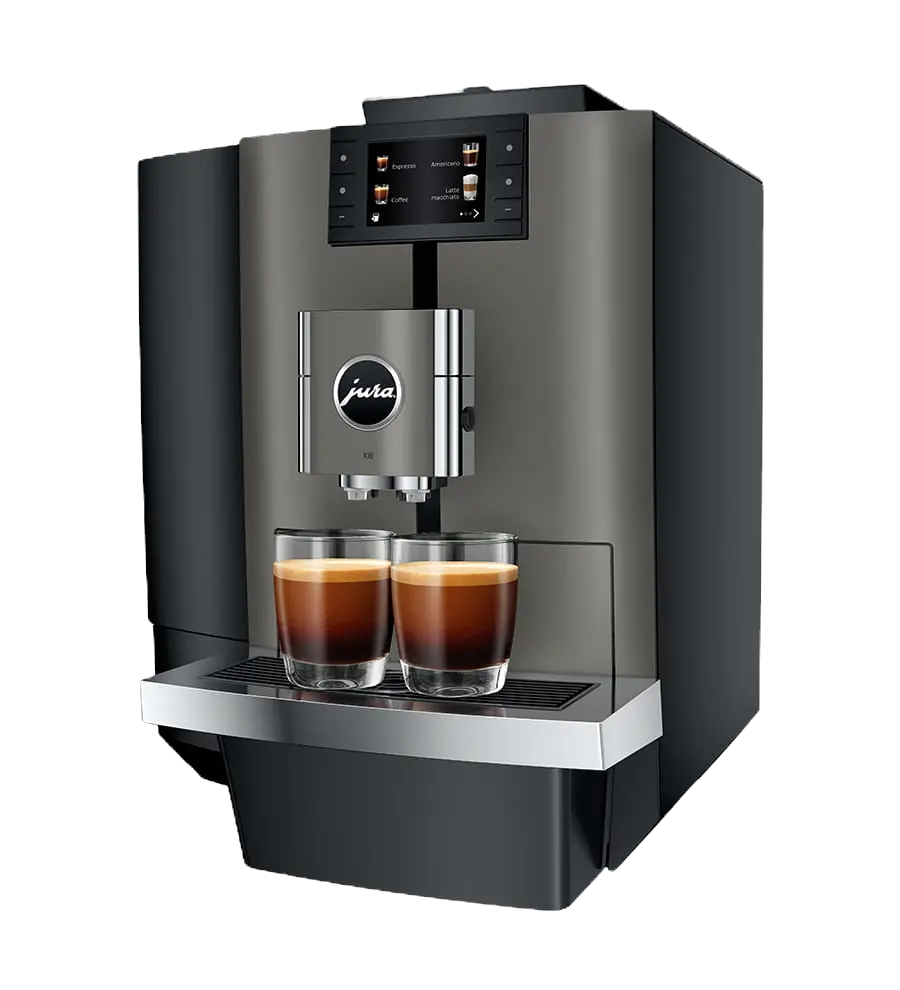
For smaller teams, a compact JURA may be enough. Medium workplaces needing milk drinks may suit machines such as the JURA W8 or JURA X10. Higher-volume or different drink requirements may point towards the wider Gaggia range. The recommendation should follow demand, peak use, milk choice and site services rather than brand preference alone.
You can browse the OBS office coffee machine range or use our machine finder to narrow the shortlist before the design is fixed.
New office or relocation? Review the existing setup before moving it
Moving an existing coffee machine is not automatically the best option. Before designing around it, check its age, capacity, condition, current agreement, service position and whether it still matches the new workplace. A relocation can be a sensible point to compare the existing setup with current equipment and finance options.
For the wider project, our 2026 office relocation checklist covers the operational items that are easy to miss before move-in.
Purchase or lease can be decided after the specification
The funding route should not dictate the wrong machine. First agree the operational requirement and exact configuration; then compare the purchase and lease options on the same equipment. Our office coffee machine leasing guide explains the commercial points to check, including term, total payable, warranty, service and end-of-agreement wording.
What fit-out partners need from a coffee supplier
For a project team, the coffee supplier should reduce uncertainty rather than create another coordination problem. The useful inputs are straightforward: a proportionate equipment recommendation, current manufacturer specifications, clear site requirements, transparent commercial scope, realistic installation planning and a clear route for the end client after handover.
That is the role OBS aims to play. We can work with the fit-out team or directly with the end client, depending on how the project is being managed. We will separate equipment, installation, warranty, service and consumable requirements clearly so the project team knows what is—and is not—included.
Coffee and workplace water
Where a project is also reviewing drinking water, boiling/chilled/sparkling water or water coolers, raise that requirement at the same stage. OBS works with established workplace water partners as well as JURA and Gaggia coffee equipment, so we can help establish the requirement and coordinate the right route rather than treating water as an afterthought.
How OBS supports office fit-out and relocation projects
Send us the project location, expected headcount and attendance, estimated drinks per day, preferred drinks, milk requirement, available water provision, target installation date and any machine or budget preference. We will narrow the equipment options and identify the practical questions that need resolving before the tea point is finalised.
If the client already has a supplier quote, we can also help compare the scope. Use our coffee machine quote comparison guide or send the project details to OBS.
Office fit-out coffee machine FAQs
When should a coffee machine be specified during an office fit-out?
Before the tea-point joinery and building services are finalised. The machine choice can affect counter space, water provision, filtration, milk refrigeration, access and electrical requirements.
Can OBS work directly with a fit-out contractor or designer?
Yes. OBS can work with the project team or the end client, depending on how the fit-out is being managed, and can provide current manufacturer information for the proposed equipment.
Should we specify a plumbed coffee machine for a new office?
Not automatically. Plumbing can reduce refilling for higher-volume sites, but a tank-fed machine may be simpler and perfectly adequate for lower demand. The decision should follow daily volume, peak use and the available building services.
Can the client lease the coffee machine instead of buying it?
Yes. OBS offers purchase and lease routes. The machine and configuration should be selected first so the client can compare finance options on the same operational specification.
Can OBS also help with workplace water?
Yes. OBS works with established workplace water partners and can help establish requirements for coffee and water within the same workplace project.
Planning a fit-out? Send the tea-point brief before it is built
The easiest time to solve coffee-machine installation problems is before the counter is made. Send OBS your fit-out or relocation brief and include the team size, drinks requirement, proposed tea-point layout and target completion date. We will help narrow the equipment requirement before the design is locked.
Useful next steps
Continue your research with OBS Machine Finder.
Comments