
Dual-Milk Office Coffee Machines: When Do You Need Two Milk Options?

Updated: Sep 24
A dual-milk office coffee machine is worth considering when two milk choices are requested often enough to justify the extra equipment, ingredients and cleaning. It is not automatically the best option for every workplace—and it must never be treated as an allergen-free solution without a verified operating process.
What is a dual-milk office coffee machine?
A dual-milk office coffee machine is a bean-to-cup setup configured to serve drinks with a choice of two milk ingredients, commonly dairy and oat. It may draw from two chilled fresh-milk containers, or use fresh milk plus a separate soluble ingredient, depending on the model. Two cartons beside an ordinary single-milk machine are a manual alternative, not automatic dual milk.
The phrase “dual milk” is also used differently by different suppliers. It can mean two fresh-milk sources, fresh and powdered milk, or multiple soluble ingredient canisters. The exact configuration matters more than the label.
Single milk vs dual milk: the practical comparison
For mixed office teams, compare what people can actually order at the machine—and who has to maintain the setup.
Option | Dairy + oat availability | Daily trade-off |
One milk source | Choose one milk for automated drinks; the other is not on tap | Least equipment, cleaning and refill work; lowest added cost |
Manual alternative | Espresso or black coffee, then add oat milk by hand | Low cost for occasional use; less convenient and slower for milk drinks |
Automatic dual milk | Both choices available through a supported configuration | More convenient for regular mixed demand; more stock, cleaning, space and cost |
Drink volume and peak queues matter as much as headcount. A second milk option adds value when it is chosen regularly; it does not increase a machine’s coffee throughput by itself.
Can an office coffee machine use oat milk?
Yes, if the machine and milk system are suitable for that product. A fresh-milk machine may use a compatible chilled oat drink instead of dairy as its one automated milk; that does not mean it can offer both at once. Barista-style oat drinks are often chosen for foaming, but results vary by product and machine. Test the actual oat milk, confirm the manufacturer’s instructions, keep it at the required chilled temperature and follow the full milk-system cleaning routine.
Another simple route is to dispense espresso or black coffee and let the user add oat milk from a separate labelled carton. For an occasional preference, that may be enough; it will not automatically produce an oat cappuccino.
Can one coffee machine dispense dairy and oat milk?
Some can, but only with a supported configuration. Two fresh-milk feeds may be selected from separate chilled containers. Other commercial formats can combine fresh milk with a suitable soluble plant-based ingredient, or use separately configured ingredient canisters. Ask which exact drinks each route makes, how the machine switches milk, what cleaning is required, and whether any outlet or internal parts are shared. A dual bean hopper or two milk fridges alone proves none of this.
When is dual milk worth it?
20-person office, one occasional oat drinker: start with a single-milk machine and a labelled manual oat option, if that meets the user’s needs.
60-person office, daily dairy and oat orders: compare an automatic second milk route against the extra ingredient, cleaning and fridge costs.
Premium managed workspace or multi-tenant office: consistent self-service choice may justify dual milk when guest demand is hard to predict.
Busy high-volume office: count the milk drinks during the busiest hour. A convenient dual-milk menu still needs adequate dispensing speed and someone responsible for both refills.
Most enquiries begin with a simple request: employees want dairy milk and an alternative such as oat milk. The practical question is how frequently each option will be used and how the machine keeps the ingredients separate.
How many milk-based drinks are made on a normal day?
What share genuinely needs the second milk option?
Is the requirement about preference, dietary choice or a diagnosed allergy?
Who will replenish both ingredients and complete the required cleaning?
Can the machine, fridge and milk containers fit safely in the available space?
For sizing beyond the milk question, use our office coffee machine sizing guide. For shared premises, see our managed workspaces guide.
Lactose-free, dairy-free and plant-based are different
Lactose-free cow’s milk is still dairy: it has had lactose reduced or removed but can still contain milk protein. Plant-based oat drink is generally a dairy-free ingredient, subject to the product label, yet ‘plant-based’ does not establish that a prepared drink is free from milk allergen. Lactose intolerance and cow’s milk protein allergy are different. Check the ingredient label and the complete preparation route before describing any served drink to someone with an allergy.
Cleaning and milk-allergen cross-contact
Two milk containers do not by themselves remove the risk of cross-contact. Shared outlets, pipes, mixers, steam or cleaning processes may still matter. If the second milk is required for an allergy rather than preference, confirm the machine's fluid route and cleaning procedure with the manufacturer or supplier and apply the workplace's own food-safety controls.
Keep ingredients labelled and separate; assign responsibility for chilling, refills, hose or canister changes, scheduled cleaning and staff instructions. Do not assume an automatic rinse removes allergens or that a separate fridge creates an allergen-safe drink. For serious allergies, follow the workplace’s allergen procedures and check the exact machine design and manufacturer guidance. See the Food Standards Agency’s allergen guidance.
OBS will not describe a configuration as allergen-free unless that claim is explicitly supported for the exact machine and operating process.
Fresh milk, powdered milk or a mixed configuration?
Fresh milk usually wins where drink presentation and milk texture are the priority. Powdered milk often suits self-service workplaces that value consistency, easier storage and a lower daily cleaning burden. A mixed or dual configuration can bridge both needs, but only if it is available on the exact model and the operating routine is understood.
Compare the practical trade-offs in our fresh milk vs powdered milk guide.
Which OBS machines should you compare?
The Gaggia G700 offers an optional manufacturer-documented Dual Milk configuration for two milk types, including plant-based options. Confirm the exact UK specification, accessories, cleaning route and ingredient choice before quoting. It is a larger commercial option, so regular demand and capacity should justify it.
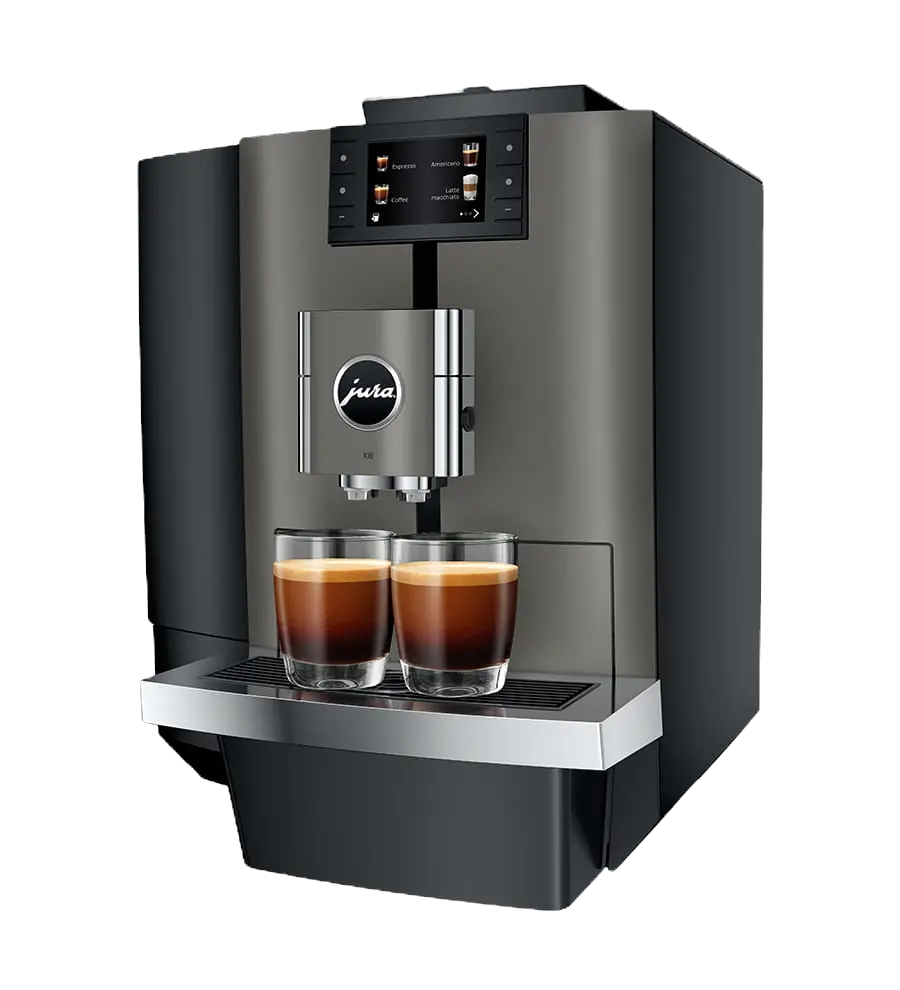
For a smaller workplace, a JURA W8 or JURA X10 can be considered for a single fresh-milk route with a separate manual oat option. We are not presenting these as automatic two-milk machines. For a busy powdered-milk environment, compare the Gaggia G300 and confirm the exact soluble ingredient configuration with OBS; multiple canisters alone do not establish a verified dairy-and-oat dispensing setup.
Browse the office coffee machine range and specify expected drinks per day, peak-time demand, milk split and cleaning ownership before choosing a model.
Questions to put into the quotation
What does “dual milk” mean on this exact model and configuration?
Are the ingredient routes separate, and where do they share components?
What cleaning is required every day and every week?
Which fridge, containers, hoses or canisters are included?
What water, drainage, power and counter space are required?
Which parts are covered by warranty and which ongoing tasks belong to the customer?
Frequently asked questions
Can bean-to-cup coffee machines use oat milk?
Some fresh-milk machines can use an appropriate oat drink as their single milk ingredient. Check manufacturer instructions and test foam, chilling and cleaning with the chosen product.
Can one coffee machine use dairy and oat milk?
Yes, if its exact configuration supports two ingredients. The Gaggia G700 has an optional manufacturer-documented Dual Milk setup; a standard single-milk model does not gain that feature by adding a second carton.
Are dual-milk coffee machines suitable for lactose-intolerant employees?
A plant-based option may meet some employees’ preferences, but suitability depends on the person, product ingredients and preparation route. Lactose intolerance differs from milk-protein allergy.
Can dual milk prevent milk-allergen cross-contact?
The label alone cannot. Shared lines or outlets may allow cross-contact; follow the workplace’s allergen procedures and obtain confirmation for the exact machine and process.
Is dual milk worth it for an office?
Usually when both milks are ordered regularly and self-service convenience offsets the extra equipment and daily work. Occasional demand can often be handled more simply.
Build the right milk setup
Not sure whether you need one milk or two? Build your office coffee setup and compare the options. Tell us the number of users, milk preference and busy-hour demand so OBS can confirm the exact configuration before a final quote.

Comments